The Kua number is calculated using an individual’s gender and lunar birth year, guiding their most favorable Feng Shui directions for well-being and success kua calculator. Men subtract the last two birth year digits from 100, while women add the digits to 5, then reduce the sum to a single digit, replacing 5 with 2 or 8 accordingly. This number categorizes people into East or West energy groups, revealing ideal orientations for health, relationships, and career. Further details explain how to use this number to enhance space and movement choices.
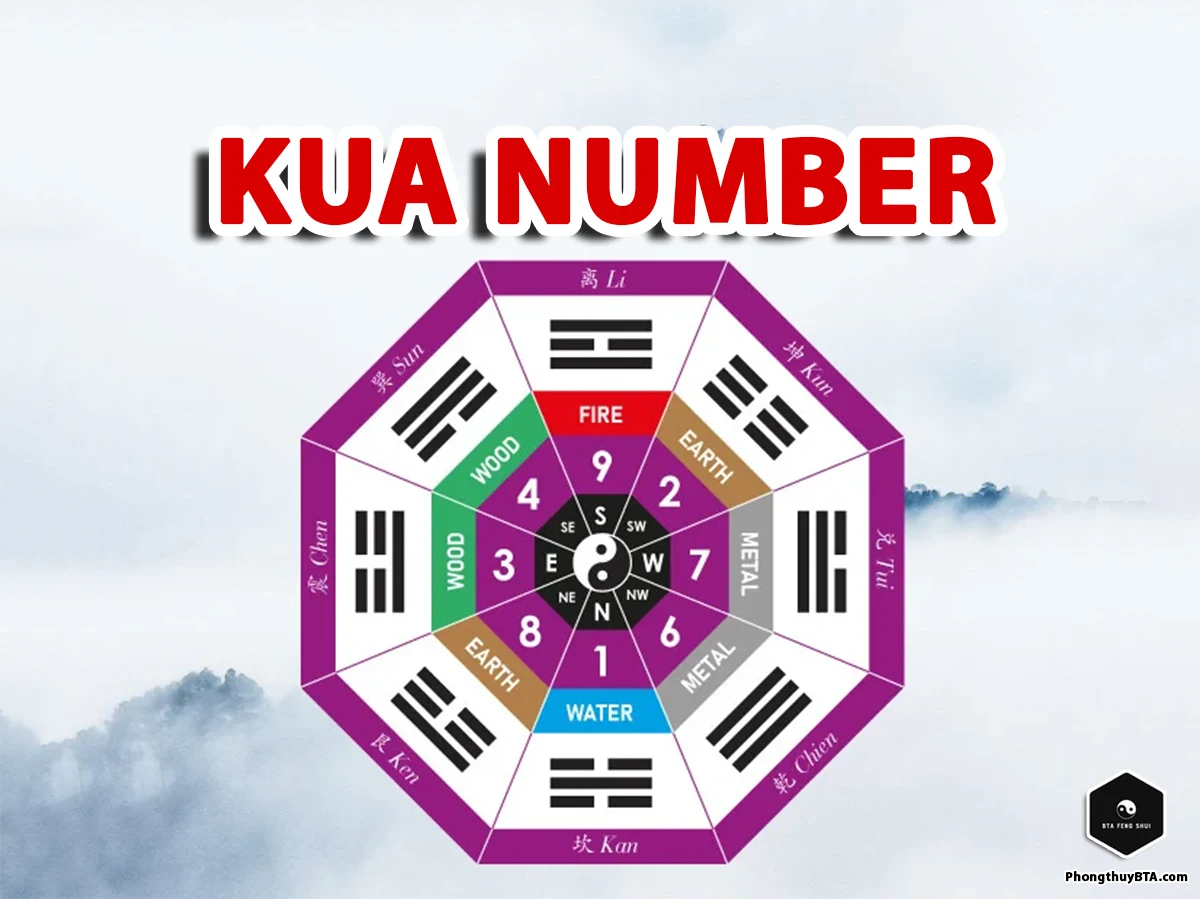
What Is Your Kua Number and Why It Matters
A Kua number is a numerical value derived from a person’s birth details, serving as a key to identifying favorable and unfavorable directions in Feng Shui.
This number guides individuals in arranging their living and working spaces to align with energies that promote well-being, success, and harmony.
By understanding their Kua number, people gain insight into the most supportive directions for activities like sleeping, working, and relaxing, enhancing balance and flow in their environment.
This knowledge empowers individuals to make deliberate spatial choices, fostering a sense of freedom through optimized energy alignment rather than restriction.
The Kua number therefore acts as a personalized compass in the quest for a harmonious, liberated life.
How Your Gender and Birth Year Affect Your Kua Number
The calculation of a Kua number depends considerably on both an individual’s gender and birth year. These factors influence the personal energy patterns that guide one’s ideal Feng Shui directions. Understanding this relationship allows individuals to align with natural forces more effectively, fostering a sense of freedom and balance.
Key aspects include:
- Gender distinction: Men and women use different formulas to calculate their Kua number, reflecting traditional Feng Shui principles that recognize distinct energy dynamics.
- Birth year significance: The lunar calendar year of birth anchors the calculation, tying one’s Kua number to cyclical cosmic patterns.
- Energy group classification: Based on gender and birth year, individuals fall into either the East or West group, determining their favorable directions.
This interplay is essential for personalized Feng Shui guidance.
How to Calculate Your Kua Number Step-by-Step
Although calculating a Kua number involves a straightforward process, attention to detail is essential to guarantee accuracy.
First, note the individual’s birth year in the lunar calendar.
Then, for men, subtract the last two digits of the birth year from 100. For women, add the last two digits of the birth year, then add 5.
Next, if the result is a two-digit number, sum those digits. Repeat this step until a single digit remains.
If the final number is 5, men use 2, and women use 8 instead.
This final single digit is the Kua number.
Following this method assures precise identification of one’s Kua number, enabling personalized insights without unnecessary complexity or confusion.

Finding Your Best Feng Shui Directions Using Your Kua Number
Once the Kua number is determined, it serves as a key to revealing personalized Feng Shui directions that enhance harmony and balance. These directions provide guidance on aligning one’s environment to support well-being and personal growth, allowing for greater freedom in daily life choices.
The best Feng Shui directions relate to specific energies that positively influence health, relationships, and success.
To find these most suitable directions, consider the following:
- Health and Vitality Direction – Supports physical and mental wellness.
- Love and Relationships Direction – Fosters emotional connection and harmony.
- Career and Success Direction – Encourages motivation and achievement.
Applying Your Kua Number to Room Layout and Travel Choices
How can knowledge of one’s Kua number influence everyday spatial and travel decisions? Understanding one’s Kua number offers a practical framework for arranging living and working spaces to enhance comfort and energy flow.
By positioning desks, beds, or seating in directions aligned with personal favorable energies, individuals can foster a sense of balance and openness. When selecting travel routes or destinations, aligning journeys with auspicious directions may promote smoother experiences and greater personal harmony.
This approach supports those seeking autonomy by encouraging environments and choices that resonate with their intrinsic energy. Applying Kua-informed guidance allows for intentional movement and space use, empowering individuals to navigate life with clarity and freedom rooted in self-awareness rather than external constraints.
Conclusion
Understanding one’s Kua number is essential for harnessing the benefits of feng shui. By considering gender and birth year, individuals can accurately calculate their Kua number, revealing personalized guidance on best directions. These insights aid in arranging living spaces and planning travel to enhance harmony and positive energy. Ultimately, applying Kua number principles fosters well-being and balance, demonstrating its enduring relevance in creating environments aligned with personal energy and fortune.
About the Author